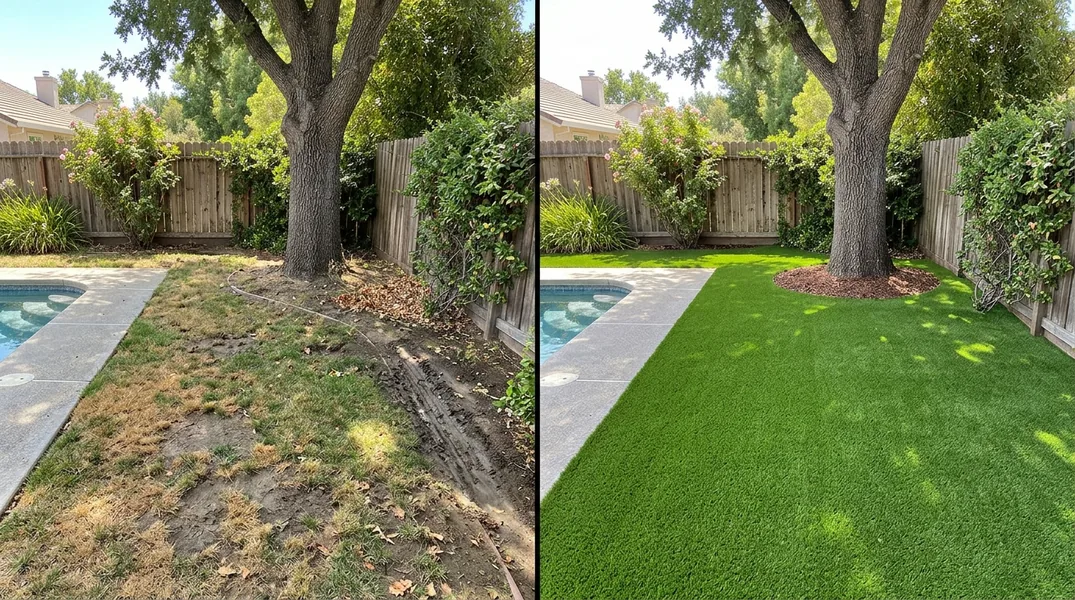
California Law Protects Your Right to Artificial Grass
If you live in Stockton and own a home within an HOA community, you may wonder whether your homeowners association can prohibit artificial turf. The good news: California law actually protects your right to install artificial grass in most cases. California Civil Code Section 4735 specifically addresses this issue, establishing that HOAs cannot unreasonably restrict the installation of drought-resistant landscaping, including artificial turf.
This law was designed to encourage water conservation across California, especially in drought-prone regions like the Central Valley where Stockton is located. Even if your HOA's CC&Rs (Covenants, Conditions, and Restrictions) contain older language discouraging artificial grass, state law now supersedes those restrictions in most circumstances. However, the key word here is unreasonably. HOAs can still impose reasonable aesthetic standards, which is why understanding the approval process matters.
What Counts as 'Reasonable' HOA Restrictions on Artificial Turf
While California law protects your right to install artificial grass, HOAs in Stockton and throughout the state can still enforce reasonable restrictions. A reasonable restriction typically means the HOA can require that your artificial turf meets specific quality standards, appearance requirements, and installation specifications. For example, an HOA might require that the artificial grass look natural, be installed professionally, and maintain a certain height and color consistency across the community.
The HOA cannot, however, reject your artificial grass installation simply because they prefer natural lawn or want to maintain a particular aesthetic that conflicts with water conservation. Under Civil Code section 4735, a rule that amounts to a ban on artificial turf in the areas you maintain is void and unenforceable. Your HOA can ask for material samples, require professional installation, and set standards for drainage and backing materials, but they cannot deny your request outright based on personal preference or outdated CC&Rs. This is where submitting the right documentation becomes crucial.
The HOA Submittal and Approval Process for Artificial Grass Installation
Before you hire a company for Residential Artificial Grass Installation, check your HOA's architectural review or modification request process. Most HOAs require homeowners to submit an Architectural Review Request (ARR) or similar form before making exterior changes, including landscaping modifications. This is a standard procedure and actually works in your favor because it creates a documented record of your request and the HOA's response.
When you submit your request, include detailed information about the artificial turf product you plan to install. Provide the manufacturer's specifications, product samples, color swatches, and technical data sheets. Include information about the turf's drainage system, backing material, pile height, and UV resistance. Many HOAs will also want to know the installation method and timeline. Having this documentation ready shows you are serious and professional, and it demonstrates that your chosen product meets reasonable quality standards. If possible, include photos of the artificial grass installed in similar neighborhoods or communities to show how it will look.
Some HOAs may request a site visit or inspection before approval. Be prepared to show the exact area where the artificial grass will be installed and discuss how it will integrate with your home's landscaping and your neighbors' properties. If your HOA requires a landscape architect's stamp or approval, Stockton Turf Installation can work with you to coordinate those requirements. The goal is to make the approval process as straightforward as possible by providing clear, professional documentation.
Common HOA Concerns and How to Address Them
HOAs often raise specific concerns about artificial grass installations, and knowing how to address these concerns can speed up your approval. One common concern is drainage. HOAs worry that artificial turf might trap water or create flooding issues. Address this by providing detailed information about your chosen product's drainage system. High-quality artificial grass includes a permeable backing that allows water to drain through to the soil below, just like natural grass. This actually solves drainage problems in some cases.
Another frequent concern is appearance and color fading. Some HOAs worry that artificial turf will look plastic or fade over time. Combat this by selecting a premium product that mimics natural grass closely and by providing UV resistance data. Modern artificial turf technology has advanced dramatically, and products designed for residential use in California are engineered to resist fading and maintain a natural appearance for many years. Include manufacturer warranties and longevity information in your submittal.
HOAs may also ask about maintenance. Explain that artificial grass requires minimal maintenance compared to natural lawn, which actually benefits the community by reducing water use and chemical runoff. If your HOA has specific concerns about pet use or high-traffic areas, mention that Pet Turf & Dog Run Installation is available if needed, showing that you have considered all community impacts.
Working with a Professional Installer to Meet HOA Standards
Hiring a professional installer like Stockton Turf Installation can actually help you navigate HOA approval more smoothly. A reputable local company understands the specific concerns of Stockton-area HOAs and can provide documentation that satisfies their requirements. Professional installers use high-quality materials that meet or exceed industry standards, and they can provide warranties and proof of proper installation methods. This documentation carries weight with HOA review committees.
When you work with Stockton Turf Installation, you gain access to expertise about which products and installation methods work best for your specific property and HOA requirements. The company can help you prepare your submittal package, answer technical questions from your HOA, and ensure that your installation meets all applicable standards. Many HOAs are more likely to approve requests from established, professional installers because they trust that the work will be done correctly and will reflect well on the community.
Before installation begins, ensure you have written approval from your HOA. Keep copies of all correspondence, approval letters, and the ARR form in your records. This protects you and provides a clear reference point if any disputes arise later. If you need guidance on free estimate and installation timelines that align with your HOA's approval process, reach out to Stockton Turf Installation at (209) 320-5483.
What to Do If Your HOA Denies Your Request
If your HOA denies your artificial grass installation request, you have options. Under California law, you can ask for reconsideration of the decision and request the internal dispute resolution (meet and confer) process the Davis-Stirling Act requires associations to offer, if you believe the HOA is not following Civil Code section 4735. Document everything: your original submittal, the HOA's written response, correspondence, and any reasons they provided for denial. If their denial is based solely on aesthetic preference or an outdated CC&R provision, you have a strong legal position.
Before pursuing formal action, consider requesting a meeting with the HOA board to discuss their specific concerns. Often, concerns can be addressed with additional documentation, product samples, or modifications to your installation plan. Sometimes HOAs simply need clarification that California law permits artificial grass for water conservation purposes. A professional installer can often facilitate these conversations by providing technical expertise and industry standards documentation.
If you decide to move forward with installation despite HOA concerns, consult with a California real estate attorney who specializes in HOA law. They can review your specific situation, your HOA's CC&Rs, and the protections of California law to advise you on the best course of action. Most homeowners find that working cooperatively with their HOA, armed with good documentation and professional support, results in approval without legal conflict.
Looking for a professional artificial grass installation company in Stockton? Stockton Turf Installation responds fast for all your artificial grass installation needs.
Get a Free Quote